It’s been a busy month in the Feed Central lab as feedlots across the country prepare for their Grain Fed certificate audits. We’ve been working through numerous samples, testing for both Metabolisable Energy (ME) and protein to ensure rations meet the strict requirements for certification. If you’re looking to have your rations tested be sure to leave yourself plenty of time to meet your audit deadline if the sample requires wet chemistry.
We’ve also seen plenty of fresh pasture, hay and silage samples come through the lab this month. One sample stood out from the crowd – and it came with an important testing lesson.
The High-Protein Teff Hay
A teff hay sample submitted for Equi-Tech testing returned a protein result of 20%, which is exceptionally high for teff hay. While this might initially seem like fantastic news for horse owners, high protein levels can actually be a red flag.
Elevated protein content can indicate high nitrate levels in hay, which can be dangerous – even deadly – for horses and livestock. Nitrate poisoning occurs when animals consume feed with excessive nitrate content, which interferes with oxygen transport in the blood.
The Importance of Follow-Up Testing
Following best practice protocols, we immediately recommended nitrate testing for this sample. This is a crucial step that should never be skipped when protein results come back unusually high.
The good news? This teff hay sample came back within the normal range for nitrates. The high protein content is genuine, making this an excellent source of nutrition for the horses it will be fed to – without any safety concerns.
What This Means for Producers and Buyers
This case highlights several important points:
For hay producers:
• High protein results are valuable, but they need verification
• Nitrate testing protects both your reputation and your customers’ animals
• Complete testing gives buyers confidence in your product
For hay buyers:
• Always request nitrate testing when protein levels are unusually high
• Don’t assume high protein automatically means quality – verify safety first
• Work with suppliers who understand and prioritise comprehensive testing
When to Test for Nitrates
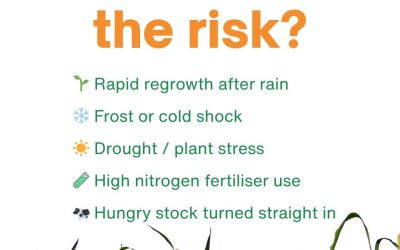
Consider nitrate testing when:
• Protein levels are unusually high for the hay type
• Hay was grown during drought conditions
• Crops received heavy nitrogen fertilisation
• Plants experienced stress during growth (frost, drought, or herbicide)
• You’re introducing a new hay source to your feeding programme
Looking Ahead
Whether you’re preparing for certification audits, sourcing feed for horses, or ensuring your livestock receive optimal nutrition, proper testing remains your best tool for making informed decisions.
If you have hay that needs testing – particularly if you’re seeing unusual results or want peace of mind about feed safety – don’t hesitate to send samples through. Our team is here to help you understand your feed and protect your animals.
Have questions about feed testing or want to submit samples? Contact the Feed Central team today on 1300 669 429.